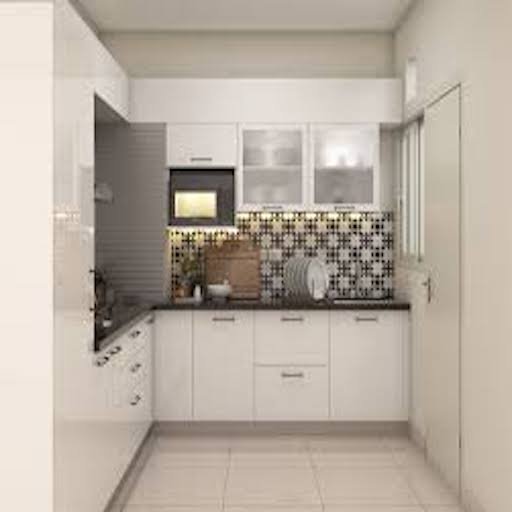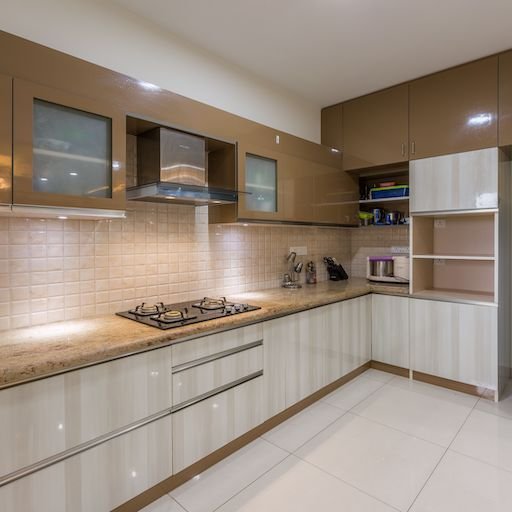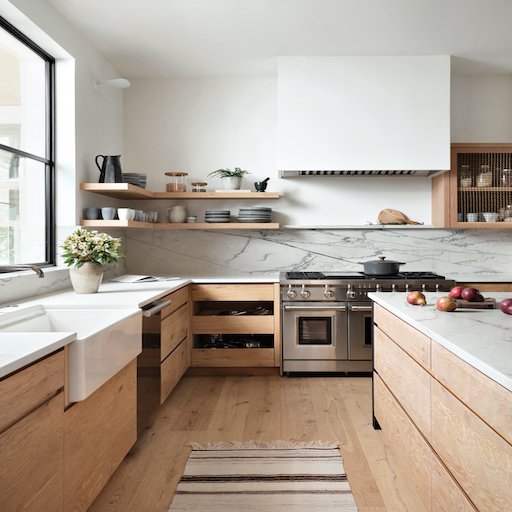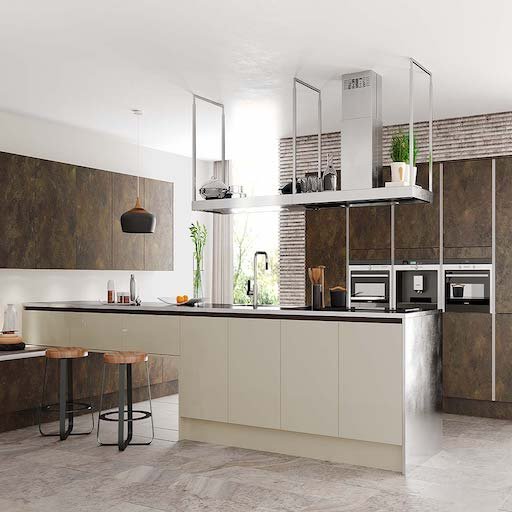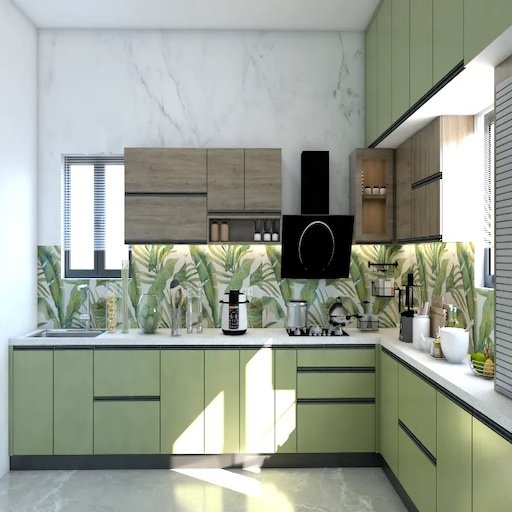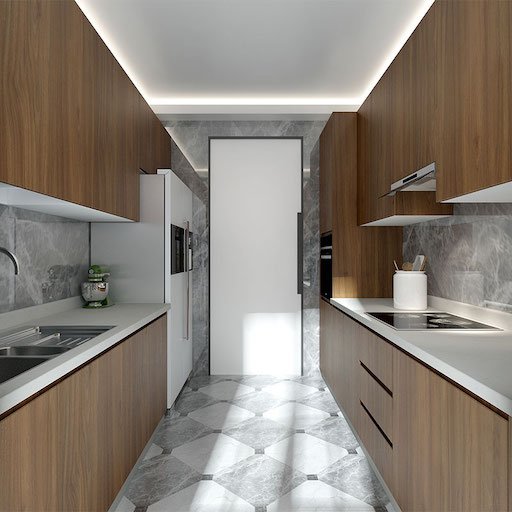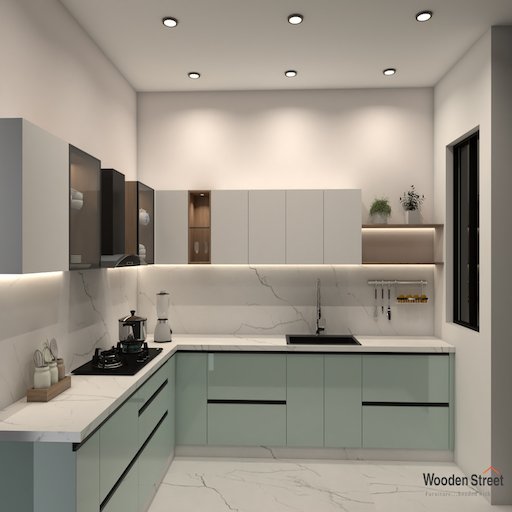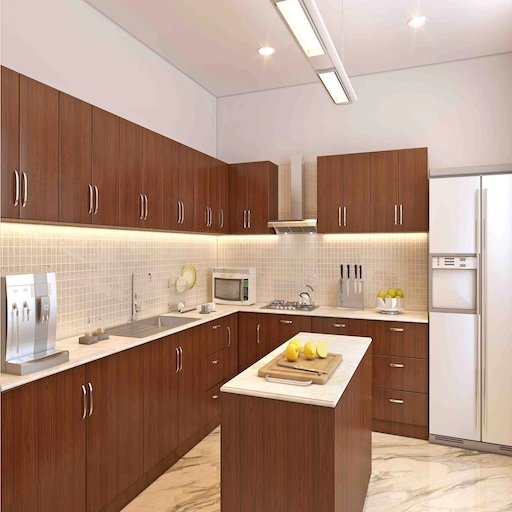
A Complete Guide to Designing Your Dream Modular Kitchen

A Complete Guide to Designing Your Dream Modular Kitchen

Introduction

Planning a new kitchen or renovating your existing one? Before you dive into choosing cabinet finishes, countertops, or appliances, there’s one foundational concept every homeowner must understand — the Three Kitchen Rules.

Whether you’re looking for a modular kitchen in Jaipur or simply want a space that’s beautiful and functional, following these three golden rules can make all the difference. At Kiyansh Creation, we use these principles as the backbone of every kitchen we design.

In this guide, we’ll break down what the Three Kitchen Rules are, why they matter, and how you can apply them to create the perfect modular kitchen for your home.


What Are the Three Kitchen Rules?

The Three Kitchen Rules refer to three essential design principles that ensure your kitchen is safe, efficient, and comfortable to work in. These rules are:

  1. The Kitchen Work Triangle Rule
  2. The Kitchen Zones Rule
  3. The Kitchen Safety & Clearance Rule

Let’s explore each one in detail.


Rule 1: The Kitchen Work Triangle Rule

What Is the Work Triangle?

The Kitchen Work Triangle is one of the oldest and most respected principles in kitchen design. It connects the three most-used areas in any kitchen:

  • 🔵 The Refrigerator (storage zone)
  • 🟡 The Sink (cleaning zone)
  • 🔴 The Cooking Range / Stove (cooking zone)

These three points form a triangle, and the idea is simple — the more efficient this triangle, the less time and effort you spend moving around your kitchen.

The Golden Measurements

According to kitchen design experts and the National Kitchen and Bath Association (NKBA):

  • Each leg of the triangle should be between 4 feet and 9 feet in length.
  • The total perimeter of the triangle should be between 13 feet and 26 feet.
  • No obstruction (like an island or cabinet) should cut through the triangle.

Why It Matters for Modular Kitchens

In modular kitchen design, the work triangle rule determines the placement of your cabinets, appliances, and plumbing. At Kiyansh Creation, our designers plan each modular kitchen layout — whether it’s an L-shaped, U-shaped, or parallel kitchen — keeping the work triangle optimized so your cooking experience feels effortless.

Pro Tip: For open-plan homes popular in Jaipur’s modern apartments and villas, the work triangle still applies even when the kitchen is partially open to the living or dining area.


Rule 2: The Kitchen Zones Rule

What Are Kitchen Zones?

As kitchens have evolved, especially with the rise of modular kitchens, the Zones Rule has become equally important as the Work Triangle. This rule divides your kitchen into five distinct functional zones:

Zone Function Examples
Consumables Zone Storing food Pantry, refrigerator, tall units
Non-Consumables Zone Storing utensils & cookware Drawers, base cabinets
Cleaning Zone Washing & waste disposal Sink, dishwasher
Preparation Zone Cutting, chopping, mixing Counter space near sink
Cooking Zone Heating & cooking Hob, oven, microwave

How the Zones Rule Improves Your Kitchen

When each zone is clearly defined and logically placed, your kitchen becomes a well-oiled machine. You (and other family members) can work simultaneously without bumping into each other.

For example:

  • The cleaning zone and preparation zone should always be adjacent.
  • The cooking zone should be close to the preparation zone but away from high-traffic areas.
  • The consumables zone (refrigerator/pantry) should be easily accessible at the entry point of the kitchen.

Kiyansh Creation’s Approach to Kitchen Zones

At Kiyansh Creation, our modular kitchen designs in Jaipur are meticulously planned to incorporate all five zones within your available space — whether it’s a compact 60 sq ft kitchen or a spacious 200 sq ft chef’s kitchen. Our custom modular units, tall storage solutions, and smart drawer systems ensure every zone has its place.


Rule 3: The Kitchen Safety & Clearance Rule

What Is the Clearance Rule?

The third kitchen rule focuses on safety and adequate space to move freely and prevent accidents. This rule specifies the minimum clearances required between counters, appliances, and walkways.

Minimum Clearance Standards:

  • Single-cook kitchen: At least 42 inches (107 cm) of clearance between parallel countertops or appliances.
  • Two-cook kitchen: At least 48 inches (122 cm) of clearance for comfortable simultaneous movement.
  • Cabinet door clearance: Ensure that when an oven, dishwasher, or refrigerator door is open, there is still enough space to walk through comfortably.
  • Overhead cabinet height: The bottom of overhead/wall cabinets should be at least 18 inches (45 cm) above the countertop to prevent head bumps and allow comfortable use.

Why Safety Clearance Is Critical

Inadequate clearances are one of the most common mistakes in Indian kitchen designs. Many homeowners try to maximize storage at the cost of movement space — leading to a cramped, accident-prone kitchen. Hot pans, open oven doors, and sharp corners in a tight space can be genuinely dangerous.

This is why Kiyansh Creation’s modular kitchen experts in Jaipur always conduct a detailed measurement and space analysis before designing your kitchen. We ensure every clearance standard is met without compromising on storage or aesthetics.


Bonus: Applying the Three Kitchen Rules to Popular Layouts

Layout Work Triangle Suitability Zone Planning Clearance Notes
L-Shaped Excellent Easy to zone all 5 areas Good natural clearance
U-Shaped Excellent Best for zone separation Watch for pinch points
Parallel / Galley Good Keep cooking & prep on same side Needs 48″ gap minimum
Island Kitchen Best for large spaces Island can serve as prep zone Island adds clearance challenges
Straight / Single Wall Limited Creative zoning needed Most open clearance

Why Choose Kiyansh Creation for Your Modular Kitchen in Jaipur?

At Kiyansh Creation, we don’t just build kitchens — we engineer experiences. Based in Jaipur, Rajasthan, we specialize in premium modular kitchen furniture that combines:

  • ✅ Elegant, contemporary designs
  • ✅ High-quality materials and hardware
  • ✅ Adherence to international kitchen design standards (including the Three Kitchen Rules)
  • ✅ Custom solutions for every home size and budget
  • ✅ Expert installation and after-sales support

Whether you dream of a sleek modern kitchen, a classic wood-finish modular kitchen, or a bold contemporary design, Kiyansh Creation brings it to life — beautifully and functionally.

📍 Visit us: Jaipur, Rajasthan
🌐 Website: www.kiyanshcreation.com
📞 Call us today for a free kitchen design consultation!


Frequently Asked Questions (FAQs)

Q1. What is the most important kitchen rule?

All three rules are equally important, but the Work Triangle Rule is often considered the foundation of efficient kitchen design. Without a proper work triangle, even the most beautiful kitchen can feel frustrating to use.

Q2. Do the three kitchen rules apply to small kitchens?

Absolutely! In fact, the three kitchen rules are even more critical in compact kitchens. Proper planning of zones and clearances can make a small kitchen feel surprisingly spacious and efficient.

Q3. What is the best modular kitchen layout for Indian homes?

The L-shaped and U-shaped modular kitchen layouts are the most popular choices for Indian homes. They offer excellent work triangle optimization and easy zone planning within a moderate footprint.

Q4. How much does a modular kitchen cost in Jaipur?

The cost of a modular kitchen in Jaipur varies based on size, materials, finish, and hardware. Kiyansh Creation offers modular kitchen solutions across a wide range of budgets. Contact us for a customized quote.

Q5. Can I get a free kitchen design consultation from Kiyansh Creation?

Yes! We offer a free design consultation where our experts will visit your space, take measurements, and suggest the best kitchen layout and design for your home. Contact us today to book your appointment.


Conclusion

The Three Kitchen Rules — the Work Triangle, the Zones Rule, and the Safety & Clearance Rule — are the pillars of a well-designed kitchen. Understanding and applying these rules ensures your kitchen is not just visually stunning, but also a joy to cook and work in every single day.

If you’re planning a modular kitchen in Jaipur, trust Kiyansh Creation to design a space that respects these golden rules while reflecting your unique style and needs.

Ready to transform your kitchen? Get in touch with Kiyansh Creation today!


© 2025 Kiyansh Creation | Modular Kitchen Experts in Jaipur, Rajasthan
Tags: modular kitchen Jaipur, three kitchen rules, kitchen design tips, kitchen work triangle, modular kitchen furniture, kitchen layout, Kiyansh Creation
10 Signs of Durable Kitchen Cabinets That Avoid Warping or Peeling

10 Signs of Durable Kitchen Cabinets That Avoid Warping or Peeling

10 Signs of Durable Kitchen Cabinets That Avoid Warping or Peeling

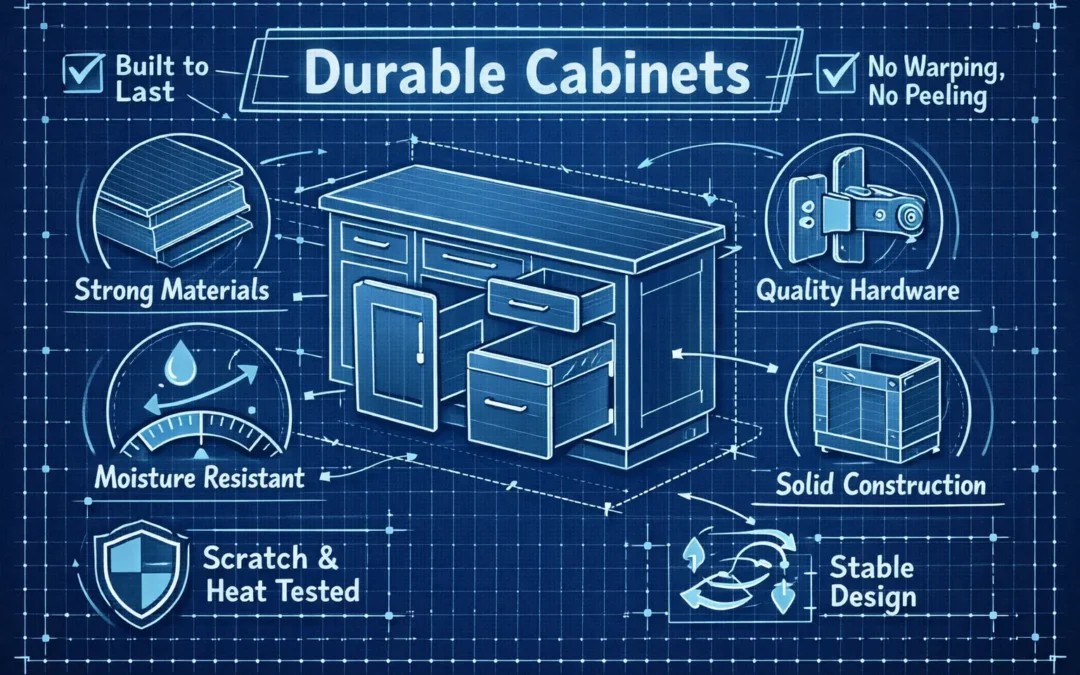
Learning how to identify durable kitchen cabinets that avoid warping or peeling starts with spotting materials and construction that actually resist steam and spills. Focus on build details rather than marketing names when you compare options in showrooms or online.

This checklist lists ten practical signs to check quickly. For each sign you’ll get two fast visual or tactile checks and one direct question to ask the maker, so you can narrow choices in minutes. It covers cores, edge sealing, adhesives and finishes, and compares melamine, laminate, thermofoil, engineered wood and metal options so you end up with a reliable shortlist instead of another sheet of specs.

What you need to know

A few core facts will speed up every inspection. These basics help you read a spec sheet and recognize shortcuts on the showroom floor.

  • Plywood core: Choose face-grade plywood for carcasses and doors in moisture-prone kitchens. Plywood resists warping better than untreated solid wood or plain particleboard, and it holds screws more securely. Ask to see a cross-section sample to confirm layered construction.
  • Sealed edges: Fully sealed edge banding and waterproof adhesives keep water from wicking into the panel. Visible gaps, raw edges or uneven edge tape are red flags because they let moisture swell the core. Check ends and joints closely and insist on continuous sealing where panels meet sinks or hobs.
  • Durable finishes: Factory-applied, multi-coat systems such as conversion varnish, UV-cured lacquer or high-solid polyurethane bond tightly to the substrate and resist chipping. Thin thermofoil or low-grade veneers are more likely to peel when exposed to heat and steam. Verify the finish method and coat count rather than relying on surface names alone.
  • Quick tests: Run a basic steam exposure and a mild scrub on a sample to check finish adhesion and water resistance. A simple tape pull and a short warm-cloth test reveal most early failures.

Quick checklist: 10 signs to spot cabinets that won’t warp or peel

Use this checklist as a practical shorthand when you visit showrooms or interview suppliers. For each sign, run the two quick checks and ask the single question provided so you focus on construction and finish rather than headline claims.

1. Core material: Visual check for visible plywood layers or metal panels in carcasses and doors; tactile check by pressing the panel—if it flexes under moderate pressure it’s likely particleboard or low-grade MDF. Ask the supplier: “Is this BWP or phenolic-bonded plywood, or a metal core, and can I see a cross-section sample?”

2. Edge sealing and adhesives: Visual check for continuous edge-banding and sealed ends; tactile check by running your finger along joints and flipping a sample to inspect glue lines for gaps or uneven application. Ask: “Which adhesive do you use and is it phenolic or WBP rated for moisture exposure?”

3. Finish type and application: Visual check of the spec and product for factory-applied, multi-coat finishes (conversion varnish, UV-cured lacquer or high-solid polyurethane); visual check of door edges and hinge pockets for even coverage and absence of brush marks. Ask: “What finish method and how many coats are applied, and can you confirm the cure process?”

4. Finish adhesion and water resistance: Perform a tape pull on an inconspicuous edge (adhesion check) and hold a warm, damp cloth on an underside edge for several minutes (moisture check) to spot flakes, lifting or swelling. Ask: “Can I see adhesion and moisture-resistance test results or perform those tests on a supplied sample?”

5. Surface material and bond: Visual check for bubbling or seam issues on thermofoil near ovens or cooktops; tactile check at edges for early delamination or edge lift. Ask: “Is the laminate or thermofoil applied over plywood, and what heat-resistance or bonding specifications do you provide?”

6. Joinery and carcass construction: Open drawers to check for dovetail or screwed joints (joinery check) and inspect drawer boxes and panels to confirm plywood rather than stapled particleboard (panel material check). Ask: “What joinery methods and panel thicknesses are standard for your carcasses and drawers?”

7. Hardware and fittings: Test drawers for smooth full-extension movement and reliable soft-close action (operational check) and inspect hinges and mounting plates for metal plates screwed into solid panels (mounting check). Ask: “Which hardware brands and load ratings do you use, and are mounting plates screwed into solid panels?”

8. Installation and site protection: Verify that installers seal cabinet bottoms, backs and cut-outs around sinks and hobs (installation protection check) and confirm ventilation or clearance behind appliances to prevent trapped moisture (ventilation check). Ask: “What installation practices do you follow to protect cabinets from site moisture and heat exposure?”

9. Moisture ratings and certifications: Inspect labels and spec sheets for explicit designations such as BWP, BWR or marine grade (rating check) and confirm adhesive and substrate certifications or third-party test data (certification check). Ask: “Do you provide moisture ratings and third-party test data for the core and adhesive systems?” For guidance on handling wet environments and design options that resist humidity, review high-humidity cabinetry solutions.

10. Documentation and warranty: Require a written spec sheet that lists plywood grade, core construction, adhesive chemistry and finish method (documentation check) and review warranty terms for coverage of warping, delamination and finish failure including exclusions and response times (warranty check). Ask: “Can you supply a written specification and warranty that explicitly covers warping and delamination, and what are the on-site repair terms?”

Finish and surface tests: what lasts under steam and scrubbing

Factory-applied, multi-coat finishes that cure and bond chemically to the substrate resist chipping and lifting under steam and frequent cleaning. Conversion varnish, UV-cured lacquer and high-solid polyurethane typically hold up better than site-applied paint or thin foils. Ask the maker for the finish method and coat count before you commit.

Run three quick, safe tests on a supplied sample or an inconspicuous showroom panel. First, perform a tape pull test: press quality tape firmly to an edge and pull sharply at an angle, then look for flakes or lift. Second, hold a warm, damp cloth on an underside edge for five minutes, then inspect for swelling, discoloration or seam failure. Third, use a soft scouring pad and mild cleaner to check abrasion resistance and whether the finish dulls or scratches.

Know the trade-offs for thermofoil, melamine and laminate so you apply the tests appropriately. Thermofoil is easy to clean but can bubble near sustained heat, so verify edge bonding and heat resistance. For a broader comparison of common cabinet materials and their strengths, see a summary of the best materials for kitchen cabinets. High-pressure laminate and quality melamine resist moisture and scratching, especially when bonded to plywood rather than particleboard or plain MDF.

Hands-on tests you can do in store or at home

Keep a short, repeatable test routine you can run in a minute or two on supplied samples or the underside of doors. Always ask store staff before testing showroom pieces and choose a concealed area for any adhesion checks. A small set of tests gives a quick sense of likely failure points.

A quick water-drop test reveals absorbent cores: place a single drop on an underside spot and wipe it off after ten seconds; the surface should not darken. For a controlled steam check, hold a hot cloth or kettle steam a few inches from an edge for 15 to 20 seconds and watch for immediate swelling or lift. Use a fingernail or a coin with light pressure to test surface hardness—visible gouges from a fingernail indicate a soft finish.

Carry a small sample kit to compare options and document results: a spray bottle of water, a roll of quality tape, a coin or metal fingernail tool, and a phone camera to photograph test spots. Test two or three locations per door, note any darkening or lifting, and record observations so you can compare suppliers objectively. Use photos and notes when you follow up with manufacturers so claims can be verified against the warranty. If you want to dig deeper into adhesive choices used during a kitchen remodel, read about the right adhesive for kitchen remodels.

Construction and hardware: structural signs that prevent long-term failure

Cabinet longevity depends on how pieces are built and fitted, so inspect joinery, carcass panels and moving parts carefully. Solid-jointed drawer boxes such as dovetail or screwed assemblies and thicker plywood carcasses indicate investment in durability. Thin stapled particleboard boxes suggest cost-cutting and a higher risk of failure.

Hardware quality matters as much as wood. Full-extension ball-bearing slides and soft-close, adjustable hinges reduce stress on joints and keep doors aligned over time. Ask for hardware brand names and load ratings, and check whether mounting plates are metal and screwed into solid panels.

For wrapped finishes such as thermofoil, reliable adhesives plus well-rated hardware are essential so the foil does not peel at stress points. Make these checks part of every site visit or showroom tour to confirm construction details match the written specs. Note any mismatch between what you see and what the spec sheet lists.

Paperwork and promises: what to ask, check and demand before you buy

Always get specifications in writing. Request face plywood grade, core construction, moisture ratings such as BWP or BWR, and the adhesive chemistry and certification; phenolic or melamine-bonded adhesives perform differently when wet. Clear finish documentation should include cure method, coat count and any factory finish guarantees.

Read warranty language carefully and note common exclusions. Look for explicit coverage of warping, delamination and finish failure, and check how the manufacturer defines a failure. Insist on stated response times, on-site repair terms, and whether replacements are full or prorated so you know what to expect.

Spot lasting cabinets with confidence

Focus on stable cores such as plywood or metal, and insist on sealed edges plus factory-grade finishes that meet simple steam and adhesion tests. Perform a tape pull and a mild-scrub test on a supplied sample, or request a sample kit and compare panels side by side before you commit. That approach turns marketing claims into verifiable facts you can use during installation. For layout inspiration and examples, review Innovative Home Designs by Kiyansh Creation — row layouts.

If you’d like expert help, schedule a home check with Kiyansh Creation in Jaipur. Kiyansh Creation’s team will measure your space, inspect sample panels in situ and provide a written specification and warranty that match your Innovative Home Designs by Kiyansh Creation — module layouts and budget. Contact Kiyansh Creation to arrange an inspection or request a sample kit before you place an order.

Modular Kitchen Trends in 2026: Designs Jaipur Homeowners Are Choosing

Modular Kitchen Trends in 2026: Designs Jaipur Homeowners Are Choosing

Modular Kitchen Trends in 2026: Designs Jaipur Homeowners Are Choosing

As we step into 2026, the heart of every home is undergoing a beautiful transformation. Jaipur homeowners are increasingly embracing modular kitchens that blend functionality with aesthetics, creating spaces that are as efficient as they are elegant.

Whether you’re exploring modular kitchen Jaipur price options or searching for the best modular kitchen designer in Jaipur, understanding the latest trends is essential to making an informed decision.

At Kiyansh Creation, your trusted modular kitchen dealer in Mansarover, we’ve witnessed first-hand how these design trends are reshaping kitchens across the Pink City. From budget-friendly layouts to luxury modular kitchen Jaipur installations, homeowners are seeking solutions that reflect their lifestyle while maximizing space and functionality.

The Evolution of Kitchen Design in 2026

This year marks a significant shift in how we perceive and utilize kitchen spaces. Gone are the days when kitchens were merely functional cooking areas tucked away from the main living space. Today’s custom modular kitchen Jaipur designs serve as social hubs where families gather, friends connect, and culinary creativity flourishes.

luxury modular kitchen in jaipur
Modular kitchen in jaipur

Top 7 Modular Kitchen Trends Jaipur Homeowners Love

  1. Warm Minimalism Takes Centre Stage

The cold, stark minimalism of previous years has given way to warm, inviting designs. Jaipur homeowners are gravitating toward modular kitchens that feature natural wood accents, soft neutral tones, and simplified layouts that promote calm and order. Think oak, walnut, and ash finishes that celebrate the natural grain.

Why Jaipur Loves It: In a city known for its rich heritage and warm hospitality, this trend perfectly complements the traditional Rajasthani aesthetic while offering modern functionality.

  1. Earthy Color Palettes

The color story of 2026 is all about grounding tones inspired by nature. Popular choices include:

  • Warm beiges and mushroom tones
  • Sandstone and clay hues
  • Olive green and forest green
  • Deep terracotta & Midnight blue accents

These earthy sophistication shades create kitchens that feel both contemporary and timeless, pairing beautifully with brass hardware and natural stone countertops.

  1. Modular Flexibility and Customization

One of the biggest shifts in 2026 is the move away from one-size-fits-all kitchen solutions. Our team understands that every family has unique needs. Modern modular systems now offer:

  • Adjustable components that can be reconfigured
  • Magnetic mounting systems
  • Custom sizing to fit irregular spaces

This flexibility is particularly valuable in Jaipur’s diverse housing landscape, from compact apartments in Mansarovar to spacious villas in Jagatpura.

  1. Smart Storage Solutions

Homeowners are prioritizing intelligent storage over visible clutter. The trend includes:

  • Deep drawers with adjustable dividers
  • Corner carousels and pull-out units
  • Tall cabinets that maximize vertical space
  • Walk-in pantries for larger homes

Pro Tip: Our modular kitchen solutions feature rust-resistance, termite-proof galvanized steel components that ensure your storage systems remain functional and hygienic for years to come.

  1. Textured and Tactile Surfaces

Smooth, fingerprint-prone cabinets are out. In 2026, texture is everything:

  • Hand-carved wood grooves
  • Fluted wood panels
  • Ribbed glass cabinet doors
  • Matte finishes over high gloss
  1. Handle-Free, Frameless Cabinets

The most requested cabinet design of 2026 features frameless, handle-free construction. Touch-to-open systems, push latches, and hidden grips deliver a clean, uninterrupted flow across cabinetry, perfect for achieving that coveted minimalist aesthetic.

  1. Multi-Functional Kitchen Islands

For homes with sufficient space, kitchen islands have become essential. They serve multiple purposes:

  • Meal preparation workspace
  • Casual dining area
  • Social gathering spot
  • Additional storage underneath

Islands with multi-level surfaces are particularly popular, allowing for distinct zones within the same structure.

new trend of kitchen 1
new trend of kitchen 2
new trend of kitchen 3 copy

Popular Layout Trends & Price Estimates (2026)

L-Shaped Modular Kitchens

Perfect for small to medium-sized kitchens, L-shaped layouts utilize corner space beautifully while offering ample counter area. This design promotes easy movement and can accommodate a small dining nook.

  • Modular Kitchen Jaipur Price: ₹1.5 – ₹3 lakhs

Parallel Kitchen Layouts

Ideal for medium to large kitchens, parallel layouts feature two facing countertops that ensure optimal workflow and generous storage. This design is gaining popularity in Jaipur’s modern apartment complexes.

  • Average Investment: ₹1.55 – ₹2.5 lakhs

U-Shaped Configurations

With counters on three sides, U-shaped kitchens offer maximum storage and workspace, creating a smooth flow for multiple users. Built-in appliances and modular organizers enhance overall efficiency.

  • Average Investment: ₹2 – ₹4 lakhs

Island Kitchens (Luxury Modular Kitchen Jaipur)

For spacious, open-plan homes, island kitchens are the ultimate luxury. The central island serves as a versatile hub for cooking, dining, and entertaining.

  • Average Investment: ₹3 – ₹5 lakhs or more
Parallel kitchen
L shape kitchen
L shape kitchen

Why Choose Kiyansh Creation?

At Kiyansh Creation, your premier modular kitchen dealer in Mansarovar, we specialize in creating modular kitchens that reflect the latest 2026 trends while honoring Jaipur’s unique aesthetic sensibilities. Here’s what sets us apart:

  • Quality That Lasts: Rust-resistance, termite-proof galvanized steel construction.
  • Comprehensive Service: We manage every aspect, from professional measurement to expert installation.
  • Hygienic and Low Maintenance: Our designs are moisture-resistant and easy to clean, preventing mold and mildew.

Frequently Asked Questions (FAQ)

What is the average modular kitchen Jaipur price in 2026?

The price typically ranges from 1.5 lakhs to 5 lakhs depending on the layout, materials, and customization level. L-shaped kitchens start at ₹1.5 lakhs, while luxury installations with islands can exceed ₹5 lakhs.

Who is the best modular kitchen designer in Jaipur?

Kiyansh Creation is recognized as a top designer in the region, offering end-to-end solutions. We specialize in custom designs that maximize space efficiency while reflecting your personal style.

How long does modular kitchen installation take?

Typically, installation takes 4-5 days depending on complexity. Our modular kitchen experts ensure minimal disruption to your daily routine.

What materials are best for modular kitchens in Jaipur’s climate?

We recommend moisture-resistant materials like HDMR, marine plywood, and rust-resistance galvanized steel to withstand heat and humidity. Quartz countertops are also excellent for durability.

Ready to design your modular kitchen in Jaipur?

Transform your home with the experts at Kiyansh Creation.

Free site visit & measurement

Custom 3D design consultation

Transparent pricing with no hidden costs

📞 Call Now | 📩 Book Consultation Online

Best Modular Kitchen Designs Near Me – Latest Styles for 2025

Best Modular Kitchen Designs Near Me – Latest Styles for 2025

Gemini Generated Image Ritatritatritatr

Best Modular Kitchen Designs Near Me – Latest Styles for 2025

Searching for the best modular kitchen designs near you?
In 2025, modular kitchens have become smarter, more stylish, and more functional than ever.

Whether your home is compact or spacious, this guide will help you choose the perfect kitchen design based on space, budget, and usage.


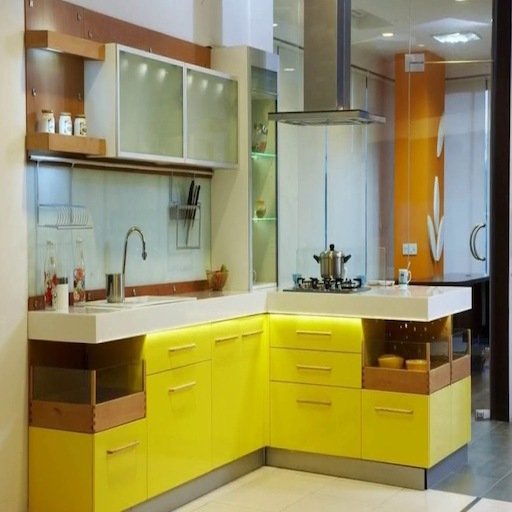
✔ 1. L-Shape Modular Kitchen – Most Popular in Jaipur

The L-shape design works for almost all types of homes.

Why it’s best:

  • Efficient corner storage

  • Comfortable cooking movement

  • Fits in small & large spaces

  • Easy to clean

Best for:

2–3 member families
Flats & 2BHK homes


✔ 2. U-Shape Modular Kitchen – Maximum Storage

If you have a bigger kitchen, nothing beats the U-shape layout.

Benefits:

  • Huge countertop area

  • Best for multi-tasking

  • High storage capacity

  • Perfect for heavy cooking families


✔ 3. Parallel / Gallery Modular Kitchen – Space-Saver

This layout has two parallel countertops and is perfect for:

  • Compact kitchens

  • Rental properties

  • Homes with narrow kitchen rooms

It gives the best work triangle efficiency.


✔ 4. Island Modular Kitchen – Modern & Luxurious

If you want a premium kitchen, choose this design.

Why island kitchens are trending:

  • Adds a beautiful statement look

  • Extra workspace and seating

  • Best for open living kitchen concepts


✔ 5. Straight Modular Kitchen – Minimal & Elegant

Ideal for studio apartments, 1BHK flats, rental homes.

Benefits:

  • Low cost

  • Zero wasted space

  • Easy workflow pattern


✔ Trending Colour Combinations for 2025

You can include this as a separate Elementor section for visuals.

  • White + Gold (Premium look)

  • Grey + Wood Texture

  • Navy Blue + White

  • Matte Black + Walnut

  • Olive Green + Bronze fittings


✔ Best Materials for Modular Kitchens

1. BWP Plywood

Strongest and most durable option
Best for Jaipur weather conditions

2. Acrylic Finish

Glossy, modern & premium look

3. Laminate Finish

Budget-friendly & scratch resistant

4. PU Finish

Luxury, seamless, elegant


✔ Must-Have Accessories in a Modern Kitchen

  • Soft close drawers

  • Tandem boxes

  • Bottle pull-out

  • Pantry unit

  • Corner carousel

  • Dishwasher space

  • Wicker basket

  • LED profile lights

These accessories increase storage and make cooking easier.


✔ Why Choose Kiyansh Creation for Kitchen Design?

  • 3D design ideas

  • Premium materials

  • Expert installation team

  • Free consultation

  • Guaranteed finishing

  • Modern trending designs


📞 Looking for the Best Modular Kitchen Near You?

Call us and get a free design consultation.

👉 Call / WhatsApp: +91-78774 94206
👉 Visit: kiyanshcreation.com

We design kitchens that are beautiful, durable, and suitable for your space.

Modular Kitchen Price in Jaipur 2025 – Complete Cost Guide

A modular kitchen is no longer a luxury in Jaipur—it has become a must-have for modern homes. Whether you are renovating your old kitchen or designing a new one, understanding the actual modular kitchen price in Jaipur is very important.

This guide explains all cost factors, materials, size-based pricing, and hidden charges you should avoid.
By the end, you’ll know exactly how much your modular kitchen will cost in 2025.


✔ Average Modular Kitchen Price in Jaipur (2025)

Approx Total Cost:
A standard 8×10 kitchen (80 sq. ft) costs:

  • Laminate Kitchen → ₹1.2–1.5 lakh

  • Acrylic Kitchen → ₹1.8–2.4 lakh

  • PU Finish Kitchen → ₹2.6–3.5 lakh


✔ Cost Based on Kitchen Shape

1. L-Shape Modular Kitchen

  • Ideal for 2–3 people homes

  • Efficient storage

  • Price: ₹1.2–2.2 lakh

2. U-Shape Modular Kitchen

  • Maximum storage & workspace

  • Great for large families

  • Price: ₹1.8–3.5 lakh

3. Parallel / Gallery Kitchen

  • Best for compact spaces

  • Easy to maintain

  • Price: ₹90,000 – ₹2 lakh

4. Island Kitchen

  • Premium & modern

  • Ideal for open kitchens

  • Price: ₹2.5–5 lakh


✔ Cost Breakdown by Materials

1. Kitchen Carcass (the base structure)

The strongest and most popular material in Jaipur is:

  • BWP Plywood (Boiling Waterproof)
    ✔ Best strength
    ✔ Moisture resistant
    ✔ Long life

Avoid MDF/Particle board for Jaipur’s climate.


2. Shutters / Finish

Your finish decides the final look:

  • Laminate: Budget-friendly, long-lasting

  • Acrylic: Glossy, premium

  • PU Paint: Seamless finish, luxury segment

  • Veneer: Natural wooden look


3. Hardware

Branded hardware ensures smooth & long life:

  • Hettich

  • Hafele

  • Blum

Cost: Starts from ₹ 50,000 – ₹10,00,000 depending on accessories.


✔ Hidden Charges You Must Avoid

Some companies in Jaipur add extra charges at the end:

❌ Countertop extra
❌ False ceiling extra
❌ Chimney/ hob not included
❌ Electrical work hidden
❌ Extra modular drawers charge

Ask for an all-inclusive quotation to avoid surprises.


✔ How to Reduce Modular Kitchen Cost?

  • Choose laminate shutters for budget kitchens

  • Keep layout simple (avoid curved counters)

  • Use open shelves in dead spaces

  • Select fewer premium accessories

  • Avoid unnecessary LED glass cabinets


✔ Why Choose Kiyansh Creation for Modular Kitchens in Jaipur?

  • Free site visit

  • Free 3D design

  • Branded hardware

  • Waterproof materials

  • On-time work

  • 5-year warranty

  • Best value pricing


📞 Get an Exact Quote in 5 Minutes

Want to know the exact modular kitchen price for your home?

👉 Call / WhatsApp: +91- 78774 94206
👉 Visit: KiyanshCreation.com

We will provide a free 3D design + cost estimate based on your kitchen size.